Sleep, Stress, and Metabolic Health
Understand how sleep quality and stress management influence hormonal balance, metabolism, and overall health outcomes.
Published: May 2024 | Reading time: 5 minutes
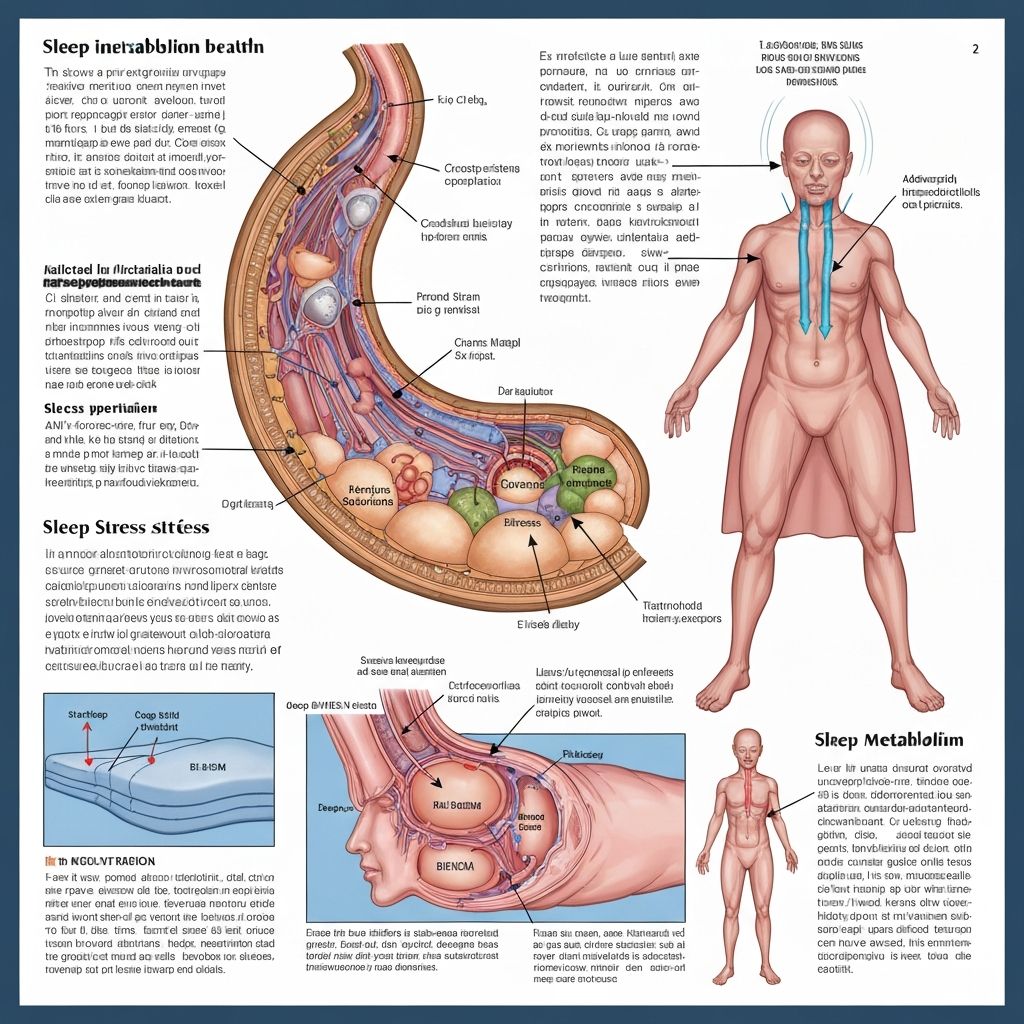
The Sleep-Metabolism Connection
Sleep is a critical biological process during which the body undergoes essential restorative functions. Sleep deprivation disrupts numerous metabolic and hormonal processes, making adequate sleep essential for metabolic health.
Sleep Architecture
Sleep consists of multiple stages including light sleep, deep sleep (N3), and rapid eye movement (REM) sleep. A full sleep cycle lasts approximately 90 minutes and includes all stages. Most people require 7-9 hours nightly to complete multiple full cycles.
Metabolic Functions During Sleep
During sleep, the body prioritizes restoration and consolidation. Growth hormone secretion peaks during deep sleep, supporting tissue repair and growth. The immune system produces cytokines essential for immune function. The brain processes memories and consolidates learning. Metabolic rate decreases but remains elevated compared to waking hours at rest.
Sleep deprivation elevates ghrelin (the "hunger hormone") and reduces leptin (the "satiety hormone"), promoting increased appetite and caloric intake. Sleep loss is consistently associated with increased food consumption, particularly of calorie-dense foods.
Sleep Deprivation Effects
Metabolic Consequences
Chronic sleep deprivation is associated with increased insulin resistance, impaired glucose tolerance, and elevated diabetes risk. Sleep loss elevates cortisol (stress hormone) and inflammatory markers, impairing metabolic health.
Weight and Body Composition
Sleep-deprived individuals show increased appetite, preference for high-calorie foods, and reduced physical activity. Chronically inadequate sleep is associated with higher body weight and impaired weight loss outcomes.
Cognitive and Physical Performance
Sleep deprivation impairs attention, decision-making, reaction time, and physical performance. Extended wakefulness is cognitively equivalent to alcohol intoxication. Mood disturbances, anxiety, and depression worsen with sleep loss.
Stress and Metabolic Health
The Stress Response
Acute stress triggers the "fight or flight" response, releasing adrenaline and cortisol. This acute response is adaptive, preparing the body for immediate threat. However, chronic psychological stress activates this system persistently, leading to sustained elevations of cortisol and other stress hormones.
Chronic Stress Effects
Prolonged stress elevation is associated with insulin resistance, impaired glucose metabolism, increased inflammation, and metabolic dysfunction. Chronic stress promotes visceral fat deposition (fat around internal organs), which is particularly metabolically unfavorable.
Chronic stress increases cortisol and reduces prefrontal cortex function (the brain region responsible for impulse control and decision-making). This combination promotes increased caloric intake, particularly of highly palatable foods. Emotional eating in response to stress is a well-documented phenomenon.
Immune and Inflammatory Effects
Chronic stress impairs immune function while promoting systemic inflammation. Elevated inflammatory markers (like C-reactive protein) predict cardiovascular disease, metabolic dysfunction, and other health complications.
Stress Management Strategies
Effective stress management approaches vary individually but may include:
- Mindfulness and meditation: Reduce cortisol and improve emotional regulation
- Physical activity: Reduces stress hormones and improves mood
- Social connection: Buffers stress effects and provides emotional support
- Time in nature: Reduces stress and promotes parasympathetic activation
- Creative activities: Provide psychological relief and enhance well-being
- Professional support: Therapy or counseling for persistent stress
Sleep Hygiene Practices
Improving sleep quality involves practicing behaviors that support sleep:
- Consistent sleep and wake times (even on weekends)
- Cool, dark, quiet sleep environment
- Limiting screen exposure 1-2 hours before bed
- Avoiding caffeine in the afternoon/evening
- Regular physical activity (but not immediately before bed)
- Relaxation practices before sleep
- Limiting alcohol consumption
Holistic Health Integration
Sleep, stress management, nutrition, and physical activity function synergistically. Adequate sleep improves stress resilience. Regular physical activity improves both sleep quality and stress response. Conversely, sleep deprivation impairs stress management and exercise performance. Addressing all these factors comprehensively provides better outcomes than any single intervention.
Summary
Sleep and stress management are critical, often-overlooked factors influencing metabolic health and body weight regulation. Chronic sleep deprivation and persistent psychological stress both promote metabolic dysfunction, increase appetite, and impair physical performance. Prioritizing adequate sleep (7-9 hours nightly), practicing stress management techniques, and maintaining healthy lifestyle habits creates a foundation for metabolic and overall health.